
How to Plan Meals Using Pantry Staples for Simple Cooking
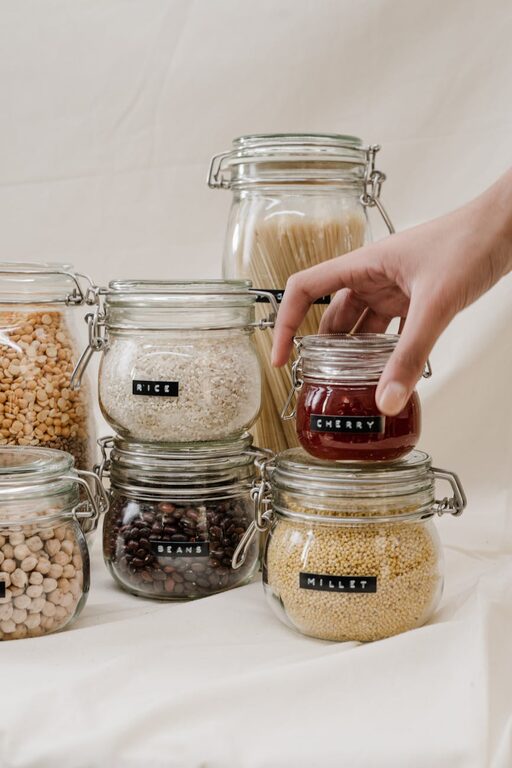
Planning meals around pantry staples can simplify your cooking routine, help you save money, and reduce food waste. Whether your pantry is stocked with canned goods, grains, or spices, these versatile ingredients can serve as the backbone for many delicious dishes. In this post, we’ll explore how to efficiently plan meals using what you already have on hand.
Why Plan Meals from Pantry Staples?
Planning meals based on pantry staples offers several benefits:
– Convenience: It reduces last-minute grocery runs because you already know what you have.
– Cost-Effective: Using pantry items means taking advantage of ingredients you’ve already purchased.
– Waste Reduction: Planning helps you use up what’s in your pantry before it expires.
– Creativity: It encourages you to experiment and combine ingredients in new ways.
Step 1: Take Inventory of Your Pantry
Start by getting to know what you have in your pantry. This makes meal planning more efficient and prevents duplicate purchases.
– Check expiration dates and discard anything that is expired or no longer good.
– Group items by category: grains, canned goods, spices, baking ingredients, etc.
– Make a list of available staples. Include quantities so you know how much is left.
– Note versatile ingredients like rice, beans, pasta, canned tomatoes, and spices—they’re great bases for many meals.
Step 2: Identify Key Pantry Staples for Meal Planning
Here are some common pantry staples that work well as meal foundations:
– Grains: rice, pasta, quinoa, couscous, oats
– Canned Goods: beans (black, chickpeas, kidney), tomatoes, corn, tuna, coconut milk
– Baking Ingredients: flour, sugar, baking powder, yeast
– Oils and Vinegars: olive oil, vegetable oil, apple cider vinegar, balsamic vinegar
– Spices and Herbs: salt, pepper, garlic powder, paprika, cumin, dried oregano, chili flakes
– Nuts and Seeds: almonds, sunflower seeds, chia seeds
– Others: broth or bouillon cubes, soy sauce, peanut butter, canned soup
Step 3: Plan Balanced Meals Around Staples
While pantry staples are great, meals are best when balanced with fresh or frozen produce and proteins. Here are tips to balance your meals:
– Add fresh or frozen vegetables whenever possible for nutrients and flavor.
– Incorporate proteins such as eggs, dairy, tofu, or pre-cooked meats.
– Use spices and herbs to enhance flavors without extra calories.
– Aim to include at least one grain, one protein source, and one vegetable in each meal.
Step 4: Use Meal Planning Techniques to Maximize Staples
Consider these strategies to make the most of your pantry staples:
1. Batch Cooking and Repurposing
Cook a large batch of a pantry staple-based dish (like chili or pasta sauce) and use it in multiple meals throughout the week. For example, chili can become filling for wraps, served over rice, or used as a topping for baked potatoes.
2. Theme Nights
Assign cooking themes based on pantry staples, like “Pasta Night” using different sauces or “Bean-Based Meals” with various spices and vegetables.
3. Mix-and-Match
Create meals by mixing staples and fresh items you have; for example:
– Combine canned beans with rice, spices, and sautéed vegetables for a quick bowl.
– Use canned tomatoes and spices to make a simple sauce for pasta or couscous.
– Make stir-fries using noodles, shelf-stable sauces, and frozen veggies.
Step 5: Sample Meal Ideas from Pantry Staples
Here are some easy recipes to inspire you:
Lentil Soup
– Lentils (dry or canned)
– Canned tomatoes
– Onion and garlic (fresh or powdered)
– Carrots and celery (fresh or frozen)
– Spices like cumin and thyme
Chickpea Curry
– Canned chickpeas
– Coconut milk
– Curry powder or paste
– Canned tomatoes
– Onion and garlic
– Serve with rice or naan bread
Pasta with Tomato Sauce
– Dried pasta
– Canned diced tomatoes or tomato sauce
– Olive oil, garlic, and dried basil
– Optional: canned olives or capers
Rice and Beans Bowl
– Cooked rice
– Canned black or kidney beans
– Spices like chili powder and cumin
– Topped with salsa or avocado
Step 6: Keep Your Pantry Organized and Restocked
Efficient meal planning from pantry staples is easier when your pantry is tidy and organized.
– Use clear containers for grains and legumes.
– Label items with purchase or expiration dates.
– Store similar items together.
– Keep a running list of pantry staples that are running low.
– Restock periodically to maintain a versatile supply.
Final Tips for Success
– Plan your meals weekly using your pantry list.
– Experiment with new spices to change up flavors.
– Combine pantry staples with seasonal fresh produce.
– Keep a digital or paper meal planner to track recipes and shopping lists.
– Don’t be afraid to improvise based on what you have!
Conclusion
Planning meals from pantry staples isn’t just practical; it’s a smart way to cook creatively, save money, and reduce waste. By taking inventory, balancing meals, and organizing your pantry, you can turn simple ingredients into satisfying dishes every day. Start with what you have and enjoy the ease of planning nourishing meals right from your pantry.
Happy cooking!