
Practical Ways to Reduce Food Waste at Home Every Day
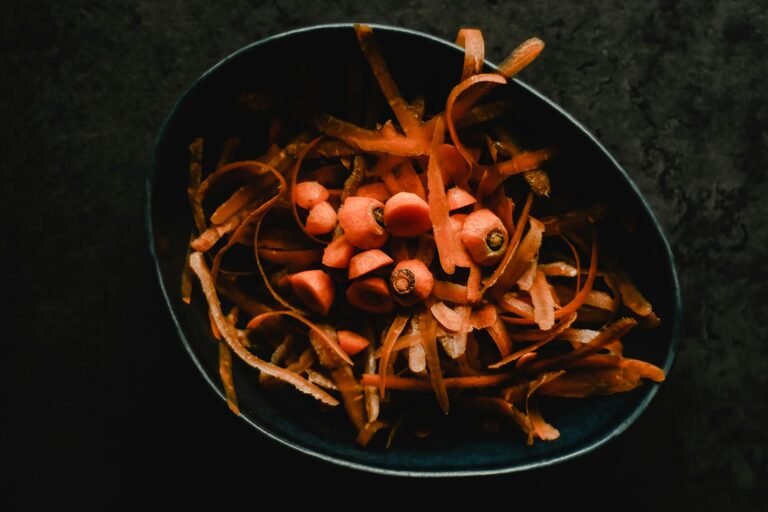
Reducing food waste at home is an easy way to save money, contribute to environmental conservation, and make the most of your groceries. Many households discard edible food due to poor planning or confusion about expiration dates. In this post, we’ll explore practical and simple strategies you can adopt to cut down food waste and turn your kitchen into a model of efficiency.
Why Reducing Food Waste Matters
Before diving into tips, it’s important to understand why minimizing food waste is valuable:
– Environmental Impact: Wasted food leads to unnecessary water, energy, and land use, and decomposes in landfills producing methane, a potent greenhouse gas.
– Financial Savings: Buying only what you need and using leftovers can reduce your grocery bills.
– Ethical Considerations: Reducing waste respects the effort and resources involved in growing, transporting, and preparing food.
With these benefits in mind, here are actionable ways to reduce food waste at home.
Plan Your Meals and Shopping
Make a Grocery List and Stick to It
Impulse buying often leads to food going unused and spoiling. Plan your meals for the week and write a grocery list based on ingredients you actually need.
– Check your fridge and pantry before shopping.
– Shop with a list to avoid purchasing unnecessary items.
– Buy in quantities that fit your household’s consumption.
Opt for Smaller Portions
Purchasing larger quantities can seem economical but may lead to food going bad before it’s fully used. Choose smaller packs or share bulk items with friends or family.
Improve Food Storage Practices
Store Food Properly
Proper storage extends the life of your food.
– Keep fruits and veggies separate if recommended to prevent ethylene gas from speeding up spoilage.
– Use airtight containers for leftovers and opened packages.
– Learn specific storage tips for different foods (e.g., potatoes should be stored in a cool, dark place, not in the fridge).
Understand Expiration Labels
Labels like “best before” and “use by” can be confusing.
– “Best before” indicates when food is at peak quality, not necessarily unsafe after that date.
– “Use by” dates are about food safety and should be followed closely.
– Use your senses—smell, look, and taste—to gauge if food is still good.
Use Leftovers Creatively
Plan for Leftovers
Prepare meals with potential leftovers in mind. Large casseroles, soups, and stir-fries often taste better the next day.
Transform Leftovers Into New Meals
Instead of eating the same dish twice, get creative:
– Turn roasted veggies into a frittata.
– Use stale bread for croutons or bread pudding.
– Blend overripe fruits into smoothies.
Freeze Extra Food
Many cooked and raw foods freeze well and can be stored for later use.
– Label containers with the date.
– Portion leftovers before freezing for quick meals.
– Freeze herbs in ice cube trays with olive oil for easy seasoning.
Compost Food Scraps
Even with efforts to minimize waste, some scraps are unavoidable. Composting is an environmentally friendly way to repurpose food waste.
– Compost fruit and vegetable peels, coffee grounds, eggshells, and more.
– Avoid composting meat or dairy to prevent pests.
– Use your compost as fertilizer for your garden or houseplants.
Adopt Smart Serving Habits
Serve Appropriate Portions
Serving large portions can lead to uneaten food on plates. Encourage family members to start with smaller servings and take seconds if hungry.
Family Meal Prep Involvement
Getting family members involved in meal planning and cooking helps everyone appreciate food’s value and encourages mindful eating habits.
Monitor and Reflect on Waste
Keeping track of what you throw away can help identify patterns and areas to improve.
– Set up a small container for food scraps and examine its contents after a week.
– Determine which foods are frequently wasted and adjust shopping or preparation habits accordingly.
Additional Tips for Food Waste Reduction
– Buy Ugly Produce: Many stores offer imperfect fruits and vegetables at a discount; they often taste just as good.
– Preserve Surplus: Consider pickling, drying, or canning excess fruits and vegetables.
– Grow Your Own Herbs: Having fresh herbs on hand reduces buying quantities that spoil quickly.
—
By incorporating these strategies, you can significantly reduce the amount of food wasted in your home. Not only will you save money, but you’ll also contribute to a healthier planet. It starts with small, thoughtful actions that become rewarding habits over time. Try one or two tips today, and build from there!
Happy cooking and saving!